

Introduction
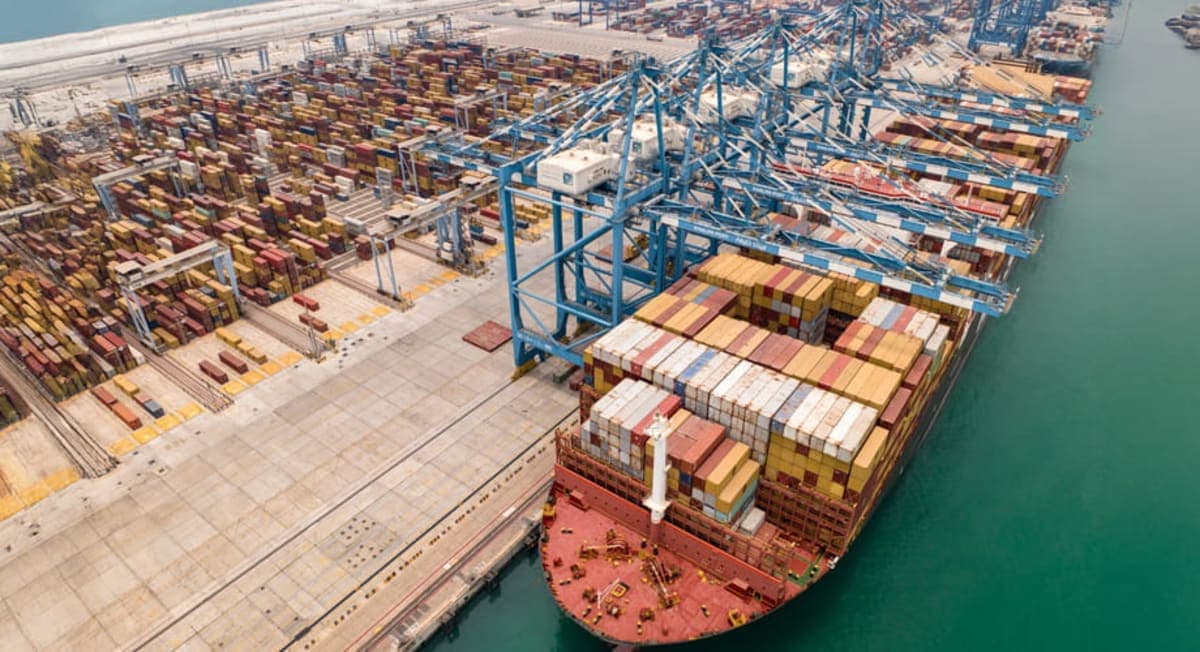
Abu Dhabi has emerged as one of the most influential maritime and logistics hubs in the Middle East. The strategic location of the emirate, combined with continuous infrastructure development, has made Ports in Abu Dhabi essential to global trade routes. Businesses, investors, and logistics providers rely heavily on these ports for efficient cargo movement and international connectivity.
The growth of Ports in Abu Dhabi is closely linked to economic diversification strategies and industrial expansion. From advanced container terminals to specialized industrial ports, the emirate offers a comprehensive ecosystem for maritime operations. This guide provides a detailed overview of Ports in Abu Dhabi, explaining their significance, features, and role in 2026.
1. ⚓ Overview of Ports in Abu Dhabi
The network of Ports in Abu Dhabi is managed primarily by AD Ports Group, a leading entity responsible for developing world class maritime infrastructure. These ports serve as gateways for trade between Asia, Europe, and Africa.
The major Ports in Abu Dhabi include container ports, commercial harbors, and industrial terminals. Each port is designed to support specific sectors such as logistics, oil and gas, manufacturing, and cruise tourism.
The importance of Ports in Abu Dhabi lies in their ability to handle large volumes of cargo efficiently while maintaining global standards. Their advanced facilities ensure seamless operations for shipping companies and businesses.
2. 🚢 Khalifa Port: The Flagship Facility
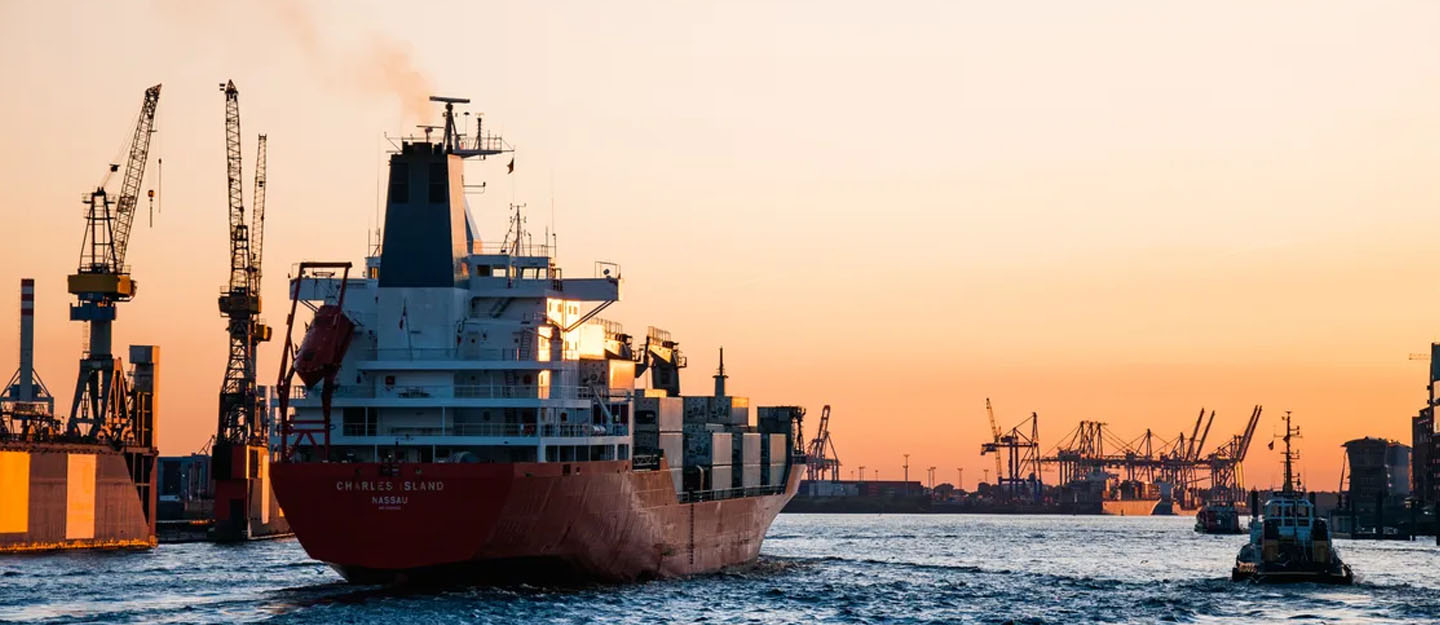
Khalifa Port is the most advanced among all Ports in Abu Dhabi and serves as the primary deep water port in the emirate. Located between Abu Dhabi and Dubai, it plays a central role in regional trade.
Khalifa Port is known for its automation, smart logistics systems, and large capacity. It is integrated with the Khalifa Industrial Zone, allowing manufacturers direct access to shipping facilities.
Among all Ports in Abu Dhabi, Khalifa Port stands out for handling containerized cargo efficiently. It supports global shipping lines and offers advanced digital solutions that reduce turnaround time.
The continuous expansion of Khalifa Port reflects the growing importance of Ports in Abu Dhabi in global trade networks.
3. 🏙️ Zayed Port: The Historic Commercial Hub
Zayed Port is one of the oldest Ports in Abu Dhabi and has played a significant role in the emirate’s economic development.
While Khalifa Port focuses on container operations, Zayed Port is more aligned with general cargo, cruise tourism, and regional shipping activities. It remains a vital part of Ports in Abu Dhabi due to its strategic location near the city center.
Zayed Port also serves as a major cruise terminal, attracting international visitors. This diversification strengthens the overall value of Ports in Abu Dhabi beyond traditional cargo handling.
4. 🛢️ Industrial Ports Supporting the Energy Sector
The energy sector is a major contributor to the UAE economy, and several Ports in Abu Dhabi are dedicated to supporting oil and gas operations.
Mussafah Port is a key industrial port that supports heavy industries and offshore services. It handles bulk cargo and provides logistics solutions for industrial companies.
Another important facility is Ruwais Port, which is closely linked to petrochemical industries. These specialized Ports in Abu Dhabi are essential for exporting refined products and supporting industrial growth.
The presence of such ports ensures that Ports in Abu Dhabi cater to both commercial and industrial needs effectively.
5. 📦 Logistics and Free Zone Integration
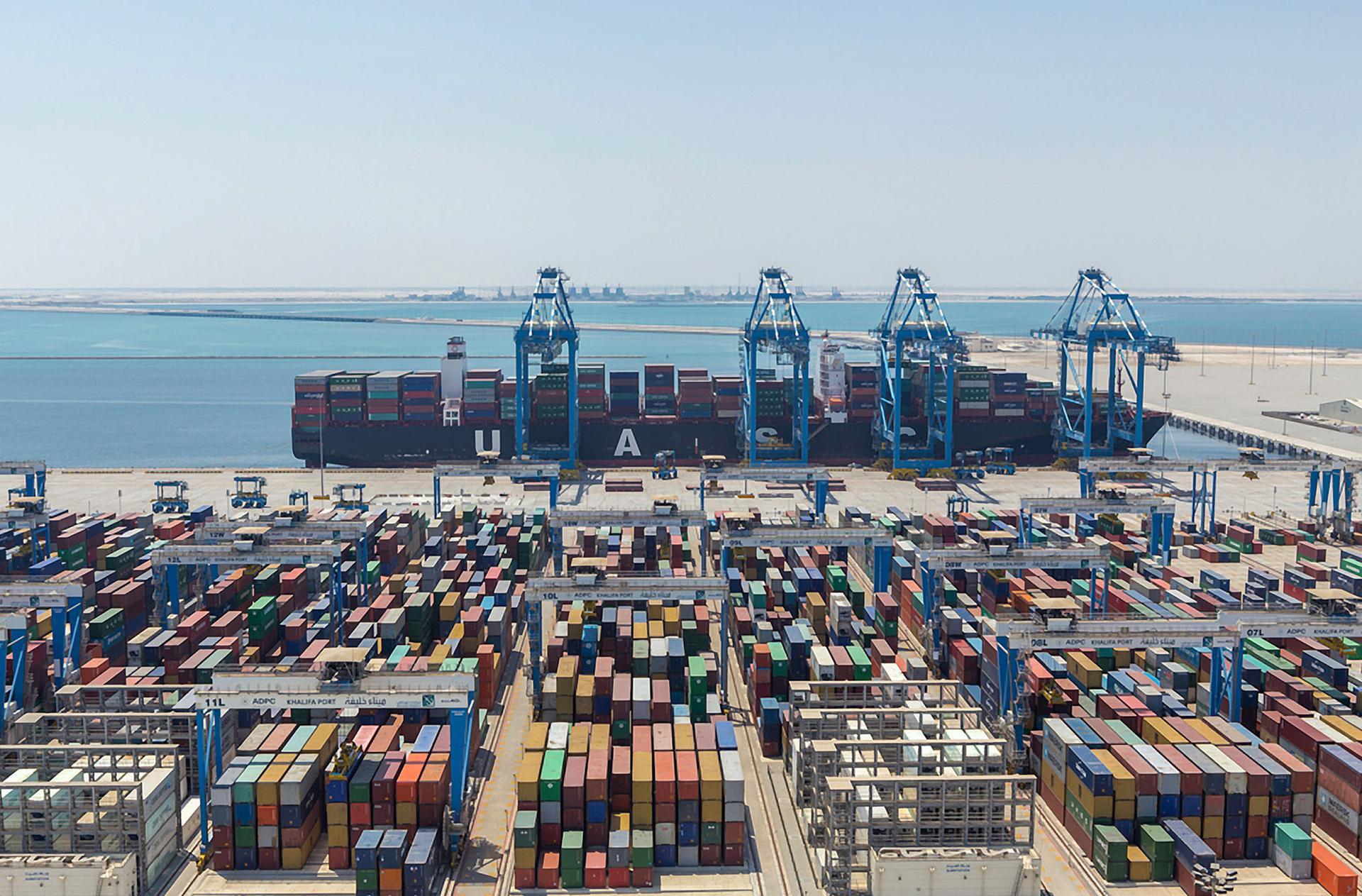
One of the defining features of Ports in Abu Dhabi is their integration with free zones and industrial areas. The most notable example is the Khalifa Industrial Zone connected to Khalifa Port.
This integration allows businesses to benefit from reduced logistics costs, faster processing, and improved supply chain efficiency. Companies operating within these zones can directly access Ports in Abu Dhabi without delays.
The seamless connection between ports and industrial zones makes Ports in Abu Dhabi highly attractive for international investors. This setup enhances competitiveness and supports economic diversification.
6. 🌍 Strategic Location and Global Connectivity
The geographical advantage of Abu Dhabi plays a major role in the success of Ports in Abu Dhabi. Positioned along major shipping routes, the emirate provides easy access to global markets.
Shipping companies prefer Ports in Abu Dhabi due to their connectivity with Asia, Europe, and Africa. This strategic location reduces transit times and improves supply chain efficiency.
In 2026, the role of Ports in Abu Dhabi continues to expand as global trade evolves. Their ability to handle large vessels and diverse cargo types strengthens their position as key maritime hubs.
7. ⚙️ Technology and Smart Port Development
Innovation is at the core of modern Ports in Abu Dhabi. Facilities like Khalifa Port use automation, artificial intelligence, and digital tracking systems to enhance operations.
Smart technologies improve cargo handling, reduce errors, and increase efficiency. These advancements make Ports in Abu Dhabi among the most technologically advanced in the region.
Digital transformation also supports sustainability efforts, ensuring that Ports in Abu Dhabi meet environmental standards while maintaining high productivity.
8. 📈 Economic Impact and Future Growth
The contribution of Ports in Abu Dhabi to the UAE economy is significant. They support trade, create jobs, and attract foreign investment.
As part of long term economic strategies, the government continues to invest in expanding Ports in Abu Dhabi. Future projects aim to increase capacity, improve infrastructure, and enhance global competitiveness.
The consistent growth of Ports in Abu Dhabi reflects their importance in shaping the emirate’s economic future. Their development aligns with broader goals of sustainability and innovation.
Conclusion
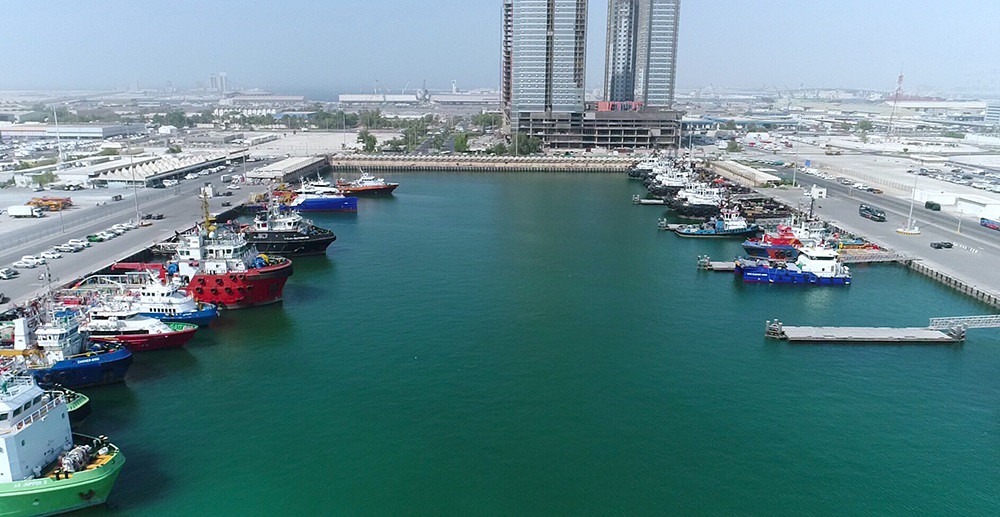
The evolution of Ports in Abu Dhabi showcases the emirate’s commitment to becoming a global trade and logistics leader. From the advanced facilities at Khalifa Port to the historic significance of Zayed Port, each location plays a unique role in the maritime ecosystem.
The integration of technology, strategic location, and strong infrastructure makes Ports in Abu Dhabi highly efficient and globally competitive. Businesses looking to expand in the region can benefit greatly from the opportunities offered by these ports.
As trade continues to grow in 2026 and beyond, Ports in Abu Dhabi will remain central to economic development and international connectivity.
Also Read: Amazing Guide to Museum of Illusions Dubai Experience the Impossible
Image Credits: The featured image has been taken from AD Ports Group